
Just engaged? Start with the wedding you actually want.
Before colors and deposits, agree on your priorities, a realistic guest list and the next three decisions. A practical starting guide for you and your family.
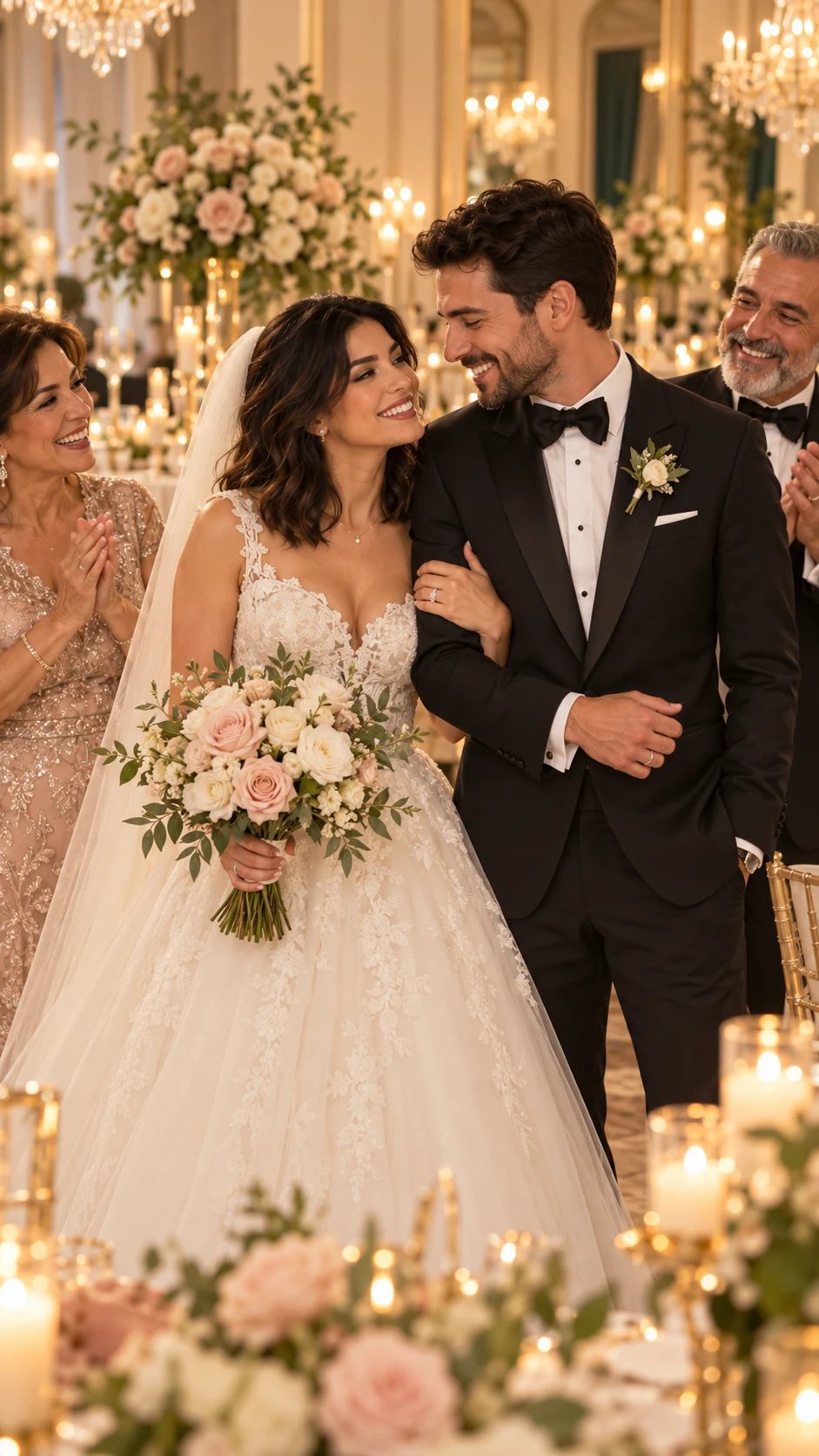
Your first wedding decision is a conversation.
Choose three things that matter to you, write down a comfortable spending limit and estimate your guest count. Use those answers to compare dates and venues before committing.
The group chat is excited. Someone has a venue idea. Someone else is already asking about the dress. You can enjoy all that love without making every decision today.
Start with a short planning conversation between the two of you. Then bring family into the decisions where their help is welcome. Your wedding can honor the people you love while still feeling like your own celebration.
Name the feeling before choosing the look.
Each of you writes down three things you hope to remember: a relaxed dinner, meaningful vows, a packed dance floor, time with relatives or something else. Compare your lists before you collect more inspiration.
Give yourselves one shared sentence: “We want an intimate dinner where we can talk to everyone,” or “We want a joyful family party with time for our ceremony.” Keep it where you will see it when a tempting extra appears.
- Keep: three priorities you both value.
- Flexible: details you like but could change.
- Skip: things neither of you wants, even if they are popular.
Put the guest list beside the budget.
A venue idea makes more sense when you know roughly how many people it needs to hold. Make a first household-by-household list and mark which invitations include a partner or children. This is an estimate, not a promise to invite everyone.
Choose an amount you can comfortably commit to. If family offers help, clarify what is confirmed and what is still a possibility. Keep unconfirmed contributions separate so your plan does not depend on money that has not been agreed.
- Write the current estimated guest count.
- Record the total amount you have agreed to work within.
- List confirmed contributions and who will handle each payment.
- Keep room for costs you have not priced yet.
Compare the date and venue as one decision.
Look at the dates that work for the two of you and the people whose presence is especially important. Then compare spaces that can fit the guest count and the experience you want. A beautiful room is only one part of the decision.
Ask each venue for written details about what is included, access times, setup, cleanup and any required vendors. Compare the full quoted scope before you decide. Availability and booking deadlines vary, so confirm them directly.
- Can the space fit your proposed ceremony and reception?
- How much setup time and event time are included?
- What furniture, staffing and cleanup are included?
- Which extra charges or restrictions appear in the written quote?
- What are the payment, cancellation and date-change terms?
Give family help a clear shape.
“We will help with everything” is loving, but it is difficult to organize. Choose one task, one person and one next date. Your aunt might collect address corrections. A sibling might compare transportation options. A padrino or madrina might help with one agreed item.
Ask before assigning anything. Share only what that person needs for their task. Keep a single working plan so different relatives are not giving vendors conflicting instructions.
- Task: exactly what needs to be done.
- Owner: the person who has agreed to help.
- Next date: when you will check in.
- Decision: who gives the final approval.
Finish three useful moves this week.
You do not need to book every vendor now. Start with your priorities, your rough guest count and a shortlist of possible dates or venues. Assign a next step for each.
Use a flexible checklist to track the sequence. When a confirmed venue, ceremony or vendor deadline arrives, put that real deadline into your plan. Sample timelines are planning tools; they do not guarantee availability.
- Have the priorities conversation.
- Build the first guest-count estimate together.
- Request comparable written information from your venue shortlist.
Wait for confirmed facts before final invitations.
Save inspiration early, but check names, ceremony time, reception address and RSVP instructions before producing a final invitation. If ceremony and reception are in different places, make that unmistakable.
Choose the languages your actual guests need. A bilingual invitation should give both groups the same practical information. Test the RSVP link or contact method from a phone and ask someone outside the planning group to read the invitation.
Common questions
What if our families want different kinds of weddings?
Let each person explain what matters to them, then return to your shared priorities, guest count and spending limit. Decide which traditions you want and which details can be adapted. Do not promise a change before the two of you agree.
Do we need a full year to plan?
There is no single timeline that fits every wedding. Work backward from confirmed dates and provider deadlines. For a shorter plan, simplify the scope and confirm availability before making commitments.
Should we send invitations before choosing the venue?
Wait to send a final invitation until the details it promises are confirmed. If you send an early announcement, make clear which details will follow and avoid including uncertain times or addresses.
Put the plan on paper.
Start with the checklist. Fill in what you know now and return as your plans become clearer.
Wedding planning checklist
Give each planning task a person and a next date.
Download free ↓PDF · EnglishGuest-list worksheet
Track households, invited people and replies in one place.
Download free ↓PDF · EnglishEvent-day timeline
Bring confirmed times, locations and responsibilities together.
Download free ↓More ideas for your celebration
Keep reading
Your wedding budget starts with the guest list.
Compare the same guest count, read the full quote and track payments before extras pile up. A simple way to keep wedding decisions connected.
Read articleOne celebration, two languages: make the invitation clear.
A beautiful invitation should also make the next step easy. Check names, times, locations and RSVP instructions in both languages before sharing.
Read article